
The colors that inhabit the mountains
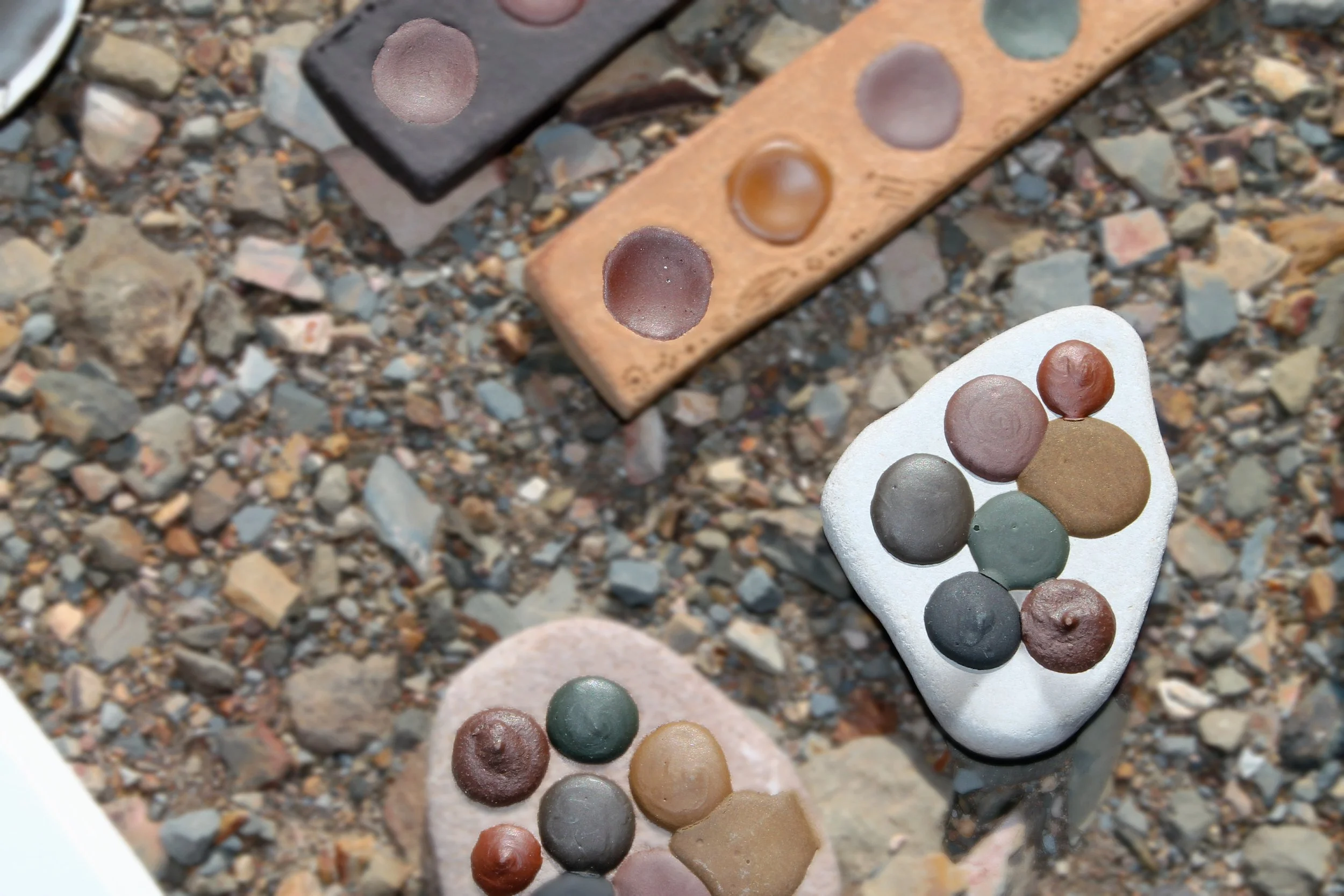
When we think of watercolors, we picture boxes of paints organized by color. We rarely think of the earth beneath our feet. However, for thousands of years, it was precisely the landscape that provided the colors used for painting. Clays, iron oxides, charcoal, and various minerals were collected and transformed into pigments that gave rise to humanity’s earliest artistic expressions. Even today, every region has its own chromatic identity. Geology influences the hues of the earth, the rocks, and even the vegetation, creating a unique palette that tells the story of that place. Working with natural pigments is, therefore, much more than just making paint. It’s about learning to observe the landscape with fresh eyes. A walk ceases to be merely a journey through nature and becomes a discovery of colors, textures, and materials. Each stone may hide an intense ochre; clay soil may reveal golden or reddish hues. This process also invites us to reflect on the origin of the materials we use. In an age when almost everything comes ready to use, preparing a color from the earth once again is a way to rediscover the slow rhythm of manual work and understand the deep connection between creativity and nature. In the Serra da Lousã, this relationship becomes particularly evident. The region’s geological diversity offers a wealth of pigments that allows for the creation of a palette inspired exclusively by the surrounding landscape, transforming the territory itself into a source of artistic expression. It is precisely this experience that inspires the “Tons da Serra da Lousã” workshop, led by Marta Rodrigues, where participants learn to discover, prepare, and use natural pigments, exploring a creative process that begins long before the first brushstroke touches the paper.